.gif)

Nepal, a land of stunning landscapes and diverse cultures, is facing a growing challenge - the prevalence of drug addiction, smoking, and alcohol abuse. These issues not only affect individuals but also have detrimental effects on society as a whole. To build a healthier and more prosperous Nepal, it is imperative that we address these problems comprehensively.
The Scope of the Issue
Drug addiction, smoking, and excessive alcohol consumption have far-reaching consequences. These behaviors contribute to health problems, strain families, hinder economic development, and promote crime. They create a vicious cycle that perpetuates poverty and instability, which Nepal can ill afford.
Health Impact
One of the most alarming aspects is the adverse health effects. Smoking leads to respiratory diseases, while drug addiction and alcohol abuse can result in liver damage, mental health disorders, and a host of other ailments. The burden on Nepal's already fragile healthcare system is immense.
Economic Toll
These habits also place a heavy economic burden on the nation. Lost productivity due to illness, absenteeism from work, and increased healthcare costs all add up. This diverts resources away from more productive sectors of the economy, hindering progress.
Social Consequences
Drug addiction and alcohol abuse disrupt families and communities. They lead to domestic violence, and neglect of children, and often result in broken homes. This, in turn, fuels poverty and social instability.
Crime and Violence
The illegal drug trade and alcohol-fueled violence pose significant security challenges. They create fertile ground for criminal organizations to thrive, undermining the rule of law and perpetuating corruption.
A Holistic Approach
To root out these issues, we need a comprehensive strategy involving government, civil society, and individuals. Here are some key steps:
Education and Awareness: Start with comprehensive public awareness campaigns highlighting the risks and consequences of drug addiction, smoking, and excessive alcohol consumption.
Access to Rehabilitation: Invest in rehabilitation centers and mental health facilities to provide support and treatment to those struggling with addiction.
Stricter Regulations: Enforce and strengthen regulations on the sale and marketing of tobacco and alcohol products, including raising taxes to discourage consumption.
Alternative Livelihoods: Create opportunities for sustainable livelihoods, especially in rural areas where drug cultivation is prevalent, to reduce the incentive for involvement in the drug trade.
Support Systems: Establish support systems for families affected by addiction, offering counseling and assistance to help them cope with the challenges they face.
Law Enforcement: Enhance law enforcement efforts to combat drug trafficking and alcohol-related crime, ensuring strict penalties for offenders.
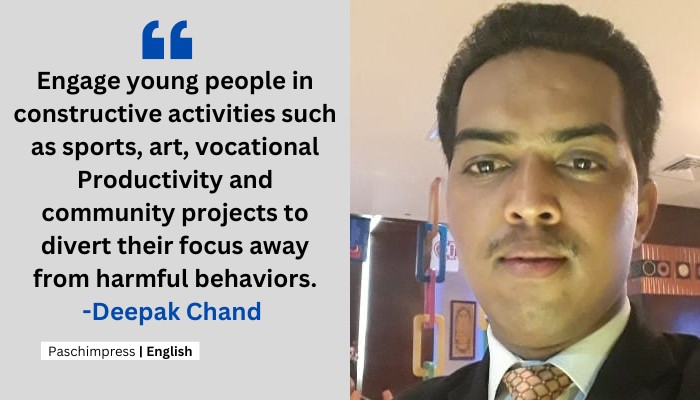
Youth Engagement: Engage young people in constructive activities such as sports, art, vocational Productivity and community projects to divert their focus away from harmful behaviors.
Conclusion
Eradicating drug addiction, smoking, and excessive alcohol consumption in Nepal is a monumental task, but it is essential for the well-being and prosperity of the nation. By taking a comprehensive approach that combines education, rehabilitation, regulation, and community support, Nepal can work towards building a healthier and more vibrant society, ensuring a brighter future for generations to come. Together, we can overcome these challenges and pave the way for a better Nepal.