


.gif)
.png)
20 February, Mahendranagar
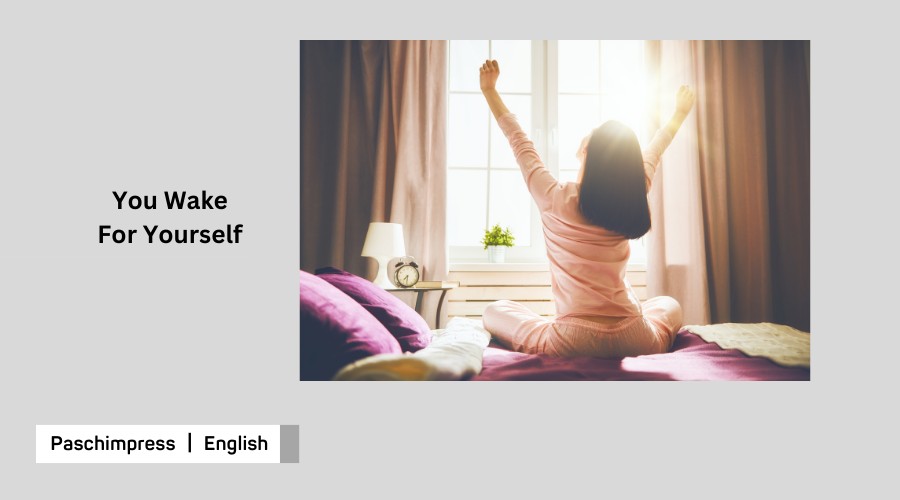
Entangled in our social media profiles, we rarely take the opportunity to inhale the fresh breeze mixed with the chirping of birds in the morning. nightlight waking is like a trend that people are slowly getting training. People of the previous generations used to live healthy and happy life since they made every moment count with their hard work and connectivity with nature. The farther we move from nature, the more we move toward misery.
Early waking is an essential part of a healthy body and mind. Our bodies are designed to produce the sleep-inducing hormone melatonin after dark. The sleep-wake cycle in our body is regulated by our circadian rhythms, our body’s internal clock, which works with the light and darkness around us. When our retina perceives light, it signals the Suprachiasmatic Nucleus (our body’s biological master clock) to suppress melatonin production, causing wakefulness. We are naturally attuned to being more responsive and alert during morning hours and sluggish and sleepy at night.
Our sleep needs have the following pattern as per our age.
Age Sleep Hours
0 to 3 months 14 to 17 hours
4 to 11 months 12 to 15 hours
1 to 2 years 11 to 14 hours
3 to 5 years 10 to 13 hours
6 to 13 years 9 to 11 hours
14 to 17 years 8 to 10 hours
65 years+ 7 to 8 hours
The benefits of waking early morning include more energy and organizational skills. Early risers tend to fall asleep faster. They feel happier and are stress-free. The benefits of waking early morning include more energy and organizational skills.
It can be a tough cookie for night owls to wake early so some tips can be helpful. Setting an alarm, sleeping earlier, switching the mobile screen one hour before bedtime, eating a light dinner, and some relaxing meditation techniques such as the Nadbramha meditation technique by OSHO can be immensely helpful for people with insomnia.
Constantly waking up late and rushing can have long-term disadvantages such as depression, obesity, and stress.
Source: early bird


